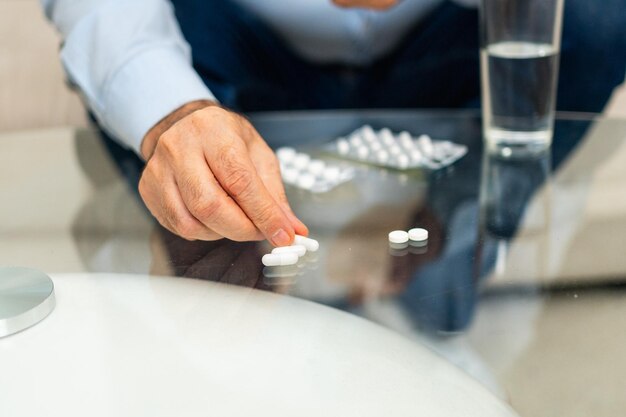
Antibiotics at the Pharmacy: Know When You Actually Need Them
Every year, millions of people walk out of pharmacies with antibiotic prescriptions they may not need. A sore throat, a mild cough, or a few days of congestion sends them to their doctor, who writes a script, and they think the problem is solved. But here's the thing: most of those prescriptions won't help. And more concerning, they might be making a much bigger problem worse.
This isn't about being cheap or avoiding medication. It's about understanding what antibiotics actually do, why doctors sometimes prescribe them unnecessarily, and what happens when we use them the wrong way. Your choices at the pharmacy counter affect more than just your health—they're connected to a global public health crisis.
What Antibiotics Actually Do
Let's start with the basics. Antibiotics kill bacteria. That's it. They don't work on viruses. They don't reduce fevers, ease congestion, or speed up healing. They specifically target and destroy bacterial cells.
This matters because most upper respiratory infections—colds, bronchitis, sore throats—are caused by viruses. When you catch a cold, no antibiotic in the world will make it go away faster. Your immune system has to do the work. Antibiotics sitting in your system won't help, but they will still affect your body.
Some infections are bacterial and genuinely need antibiotics. Strep throat, certain ear infections, urinary tract infections, and bacterial pneumonia are examples. A doctor can sometimes tell the difference through examination or testing, but not always. That uncertainty is where things get complicated.
When Antibiotics Make Sense
Your doctor should prescribe antibiotics when there's a reasonable belief that a bacterial infection is present. This might be based on:
- Visible signs (like pus or specific test results)
- The type of infection (some are almost always bacterial)
- How sick you are and how long symptoms have lasted
- Your medical history and risk factors
If your doctor prescribes antibiotics, ask why. A good answer sounds like: "Your symptoms suggest a bacterial infection" or "The test came back positive for bacteria." A weaker answer is: "Let's try this and see if you feel better." The second approach is more likely to be unnecessary use.
The Murky Middle Ground
Here's where it gets real: doctors sometimes prescribe antibiotics even when they're not sure a bacterial infection is present. They might do this because:
- The patient expects them (pressure matters in medicine)
- Uncertainty feels risky (missing a bacterial infection seems worse than giving unnecessary antibiotics)
- It's quicker than waiting for test results
- They're trained conservatively in their practice setting
This is called overtreatment, and it happens regularly in primary care. It's not always a doctor problem—sometimes patients demand them, or systems reward speed over accuracy. But the result is the same: antibiotics used when they're unlikely to help.
When Antibiotics Definitely Don't Help
| Condition | Cause | What Actually Helps |
|---|---|---|
| Common cold | Virus | Rest, fluids, time |
| Seasonal flu | Virus | Antiviral drugs (sometimes), rest, recovery |
| Most sore throats | Virus | Pain relief, throat lozenges, hydration |
| Cough from cold | Virus | Cough syrup, honey, patience |
| Sinus congestion | Usually viral | Saline rinse, decongestants, humidity |
| Bronchitis (acute) | Usually viral | Expectorants, moisture, time |
If you're prescribed an antibiotic for any of these, it's worth asking your doctor to explain why they think bacteria is involved.
The Resistance Crisis
This is the part that goes beyond your personal pharmacy trip. Antibiotic resistance happens when bacteria survive antibiotic treatment and evolve defenses against it. When this happens repeatedly across populations, bacteria become harder or impossible to kill with existing drugs.
Here's how your unnecessary antibiotic use connects to this:
When you take an antibiotic you don't need, some bacteria in your body die, but others survive. Those survivors are the ones naturally resistant to that antibiotic. They multiply and spread. Some of them might pass to other people. Over time, in communities and hospitals, more and more bacteria become resistant to more and more antibiotics.
This isn't a future problem—it's happening now. Some bacterial infections that were once easily treated are becoming dangerous again. Resistance develops faster when antibiotics are overused, which is why every unnecessary course matters.
What You Should Do at the Pharmacy
Ask your doctor directly: "Is this definitely bacterial?" If they say they're not certain, ask if testing would help or if it's okay to wait and see if symptoms improve.
Don't pressure for antibiotics. If your doctor says you don't need them, trust that. Antibiotics aren't safer just because they're available.
Take them correctly if prescribed. Finish the full course, even if you feel better. Take them exactly as directed. Don't save them for later or share them with others.
Know the difference: Viral infections go away on their own. Antibiotics don't speed that up, but good self-care (rest, fluids, pain relief) does help you feel better while you recover.
Request a test if uncertain. Many pharmacies can do rapid strep tests for sore throats. If your doctor isn't sure, a quick test might clarify whether bacteria is actually involved.
What Really Matters
You're not a medical expert, and you don't need to be. But you can be informed. Understanding that antibiotics target bacteria—not viruses—and that overuse creates real consequences, puts you in a better position to make smart decisions with your doctor.
The next time you're at the pharmacy with an antibiotic prescription, you'll know it's worth a moment to consider: Is this treating a bacterial infection, or am I taking medication that won't help me and might contribute to a bigger problem? That question—and your willingness to ask it—matters more than you might think.